
wholesale toughened glass
Understanding Internal Taper Gauges Tools for Precision Measurement In the ever-evolving landscape of manufacturing and engineering, precision is paramount. One of the specialized tools that have emerged to help achieve this level of accuracy is the internal taper gauge. This instrument is essential in various industries, particularly those dealing with the machining and fabrication of components that have internal tapered features. What is an Internal Taper Gauge? An internal taper gauge is a measuring tool designed to assess the internal angles and diameters of tapered holes or slots. Unlike standard calipers or micrometers, which are more suited for linear measurements, internal taper gauges provide a solution for measuring the geometry of internal surfaces that exhibit a taper. The taper, which can be ranging from slight to pronounced, is critical in applications like pipe fitting, automotive parts, and assembly of components where proper alignment and fitment are necessary. Design and Construction Typically, an internal taper gauge features a tapered probe that conforms to the shape of the internal surface it is measuring. The probe is often made of durable materials to withstand wear and tear, ensuring consistent accuracy over time. The design may vary some models utilize a simple mechanical mechanism to indicate measurements, while others incorporate digital displays that show measurements in real-time. These gauges can also vary in size, with some being hand-held for quick measurements and others designed for use on larger machinery where precision and repeatability are crucial. The common types include fixed-length gauges, adjustable gauges, and those with interchangeable heads to accommodate a range of diameters and tapers. Applications in Industry internal taper gauge Internal taper gauges find application across various industries. In the automotive sector, for instance, they are used to measure the internal tapers of engine components, ensuring that parts fit together seamlessly. This precision is essential for the performance and durability of vehicles. Similarly, in aerospace manufacturing, where safety and reliability are non-negotiable, internal taper gauges help guarantee that critical components meet stringent specifications. Moreover, the construction industry utilizes these gauges in the fitting of pipes and ductwork, where maintaining the correct internal diameter is vital for proper flow and pressure balance. In the field of HVAC, accurate measurements can lead to enhanced system efficiency and reduced energy costs. Importance of Accuracy The accuracy provided by internal taper gauges cannot be overstated. A slight deviation in measurements can lead to significant functional issues, potentially resulting in assembly failures or operational inefficiencies. For example, if a tapered fit is not accurate, it may result in leaks, increased wear, or even catastrophic failures in critical systems. As manufacturing processes become increasingly automated and reliant on precise engineering, the role of internal taper gauges becomes more prominent. Automated systems that utilize robotic arms for assembly rely on precise measurements to ensure that parts fit correctly. Inaccuracies can lead to costly rework and even put manufacturing timelines at risk. Conclusion In summary, internal taper gauges are invaluable tools in the realm of precision measurement. Their ability to accurately assess internal geometries plays a critical role in various industries, enhancing the quality and reliability of manufactured components. As technology progresses, the ongoing development of these gauges will continue to meet the ever-increasing demands for precision in modern manufacturing and engineering practices. Whether in automotive, aerospace, or construction, the internal taper gauge remains a testament to the importance of accuracy and quality in the art of measurement. Investing in high-quality measuring instruments like internal taper gauges ensures that manufacturers maintain their standards and deliver products that meet and exceed expectations. As we move forward, the importance of such specific tools will only grow, reinforcing the need for companies to prioritize precision in every aspect of their operations.
about
wholesale toughened glass
Rebar stands for concrete reinforcement bar, also known as reinforcing steel or reinforcement steel. It plays a crucial role in the construction industry, providing strength and stability to concrete structures. The use of rebar in concrete construction has been essential for centuries, dating back to ancient civilizations such as the Romans who built impressive structures like the Pantheon with the help of reinforced concrete. Rebar is typically made of steel and comes in various shapes and sizes depending on the specific requirements of the construction project. It is designed to withstand tension forces in concrete, preventing cracks and ensuring the durability of the structure. Without rebar, concrete would be prone to cracking and collapsing under pressure, making it unsuitable for many construction applications. In a typical construction project, rebar is placed within the concrete formwork before the concrete is poured. The rebar grid is carefully designed and positioned to provide the necessary structural support for the concrete. Once the concrete is cured, the rebar becomes embedded within the concrete, forming a strong bond that enhances the overall strength and integrity of the structure. The use of rebar allows for the construction of larger and more complex structures that would not be possible with plain concrete alone. Skyscrapers, bridges, dams, and highways are just a few examples of the types of structures that rely on rebar for stability and longevity. The versatility of rebar makes it an essential component in a wide range of construction projects, from residential buildings to industrial facilities The versatility of rebar makes it an essential component in a wide range of construction projects, from residential buildings to industrial facilities The versatility of rebar makes it an essential component in a wide range of construction projects, from residential buildings to industrial facilities The versatility of rebar makes it an essential component in a wide range of construction projects, from residential buildings to industrial facilities rebar stands for concrete . In addition to providing structural support, rebar also helps to minimize the environmental impact of construction projects. By reinforcing concrete with steel, builders can reduce the amount of material needed for a given structure, resulting in less waste and a more sustainable construction process. Rebar can also be recycled and reused, further reducing the carbon footprint of construction projects. As technology advances, new types of rebar are being developed to meet the evolving needs of the construction industry. Fiberglass rebar, for example, offers a lightweight and corrosion-resistant alternative to traditional steel rebar. Carbon fiber rebar is another innovative option that provides high strength and durability while also being lightweight and non-corrosive. In conclusion, rebar stands for concrete reinforcement bar and plays a critical role in the construction industry. By providing strength, stability, and durability to concrete structures, rebar enables the construction of safe and reliable buildings and infrastructure. As construction practices continue to evolve, rebar will remain an essential component in the development of sustainable and resilient structures for the future.
-

High quality industrial productsagement

High quality industrial products
View Details -

Meet the diverse needs of customers

Meet the diverse needs of customers
View Details -

Strict quality control

Strict quality control
View Details -

Top raw materials

Top raw materials
View Details -

Trusted supplier

Trusted supplier
View Details
Our application

news and information
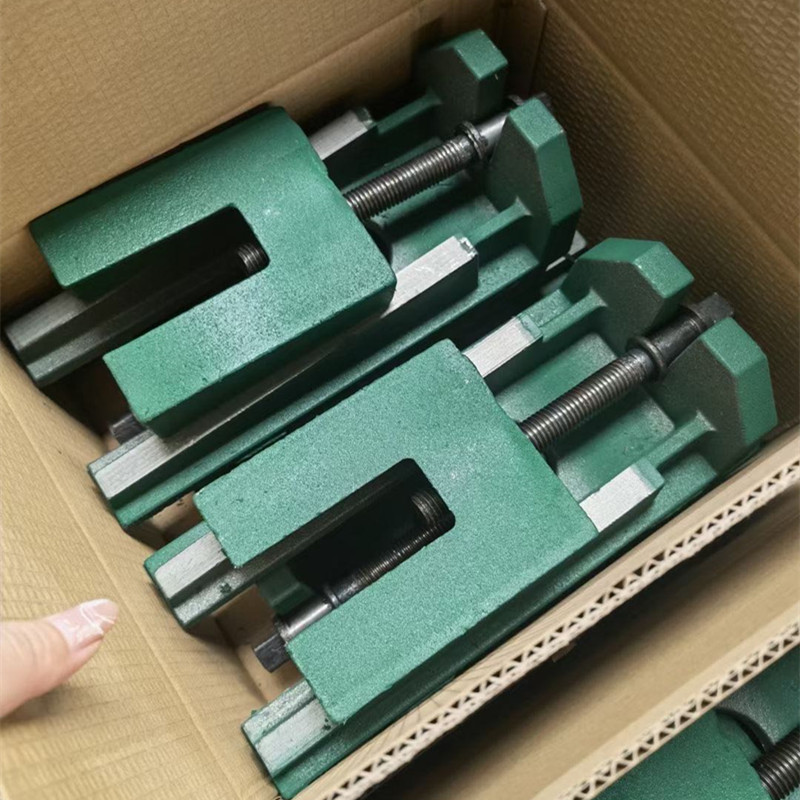
v block types
Understanding V-Block Types An Overview In the rapidly evolving landscape of technology and engineer
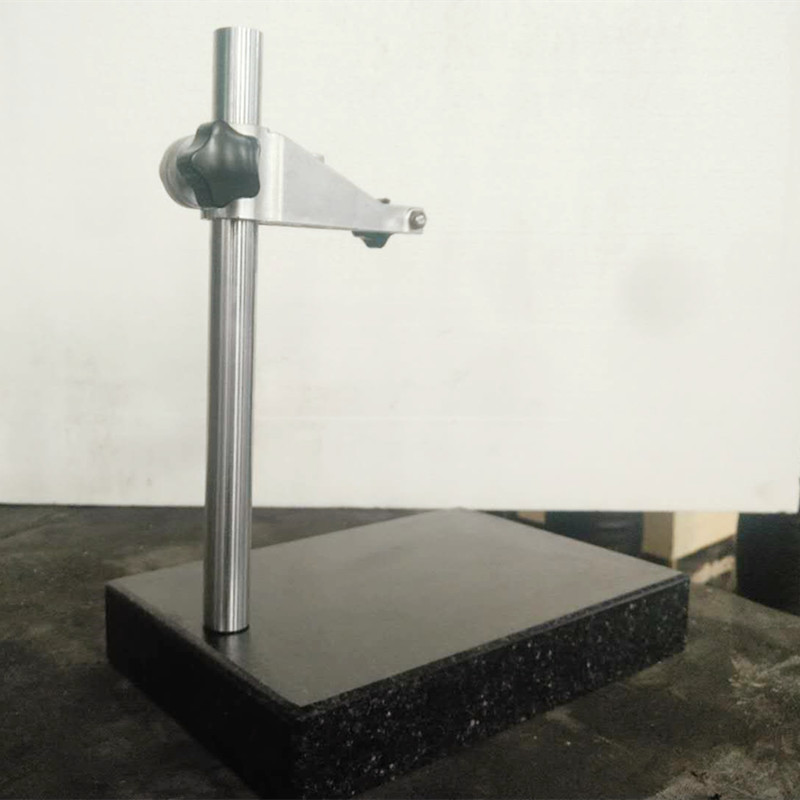
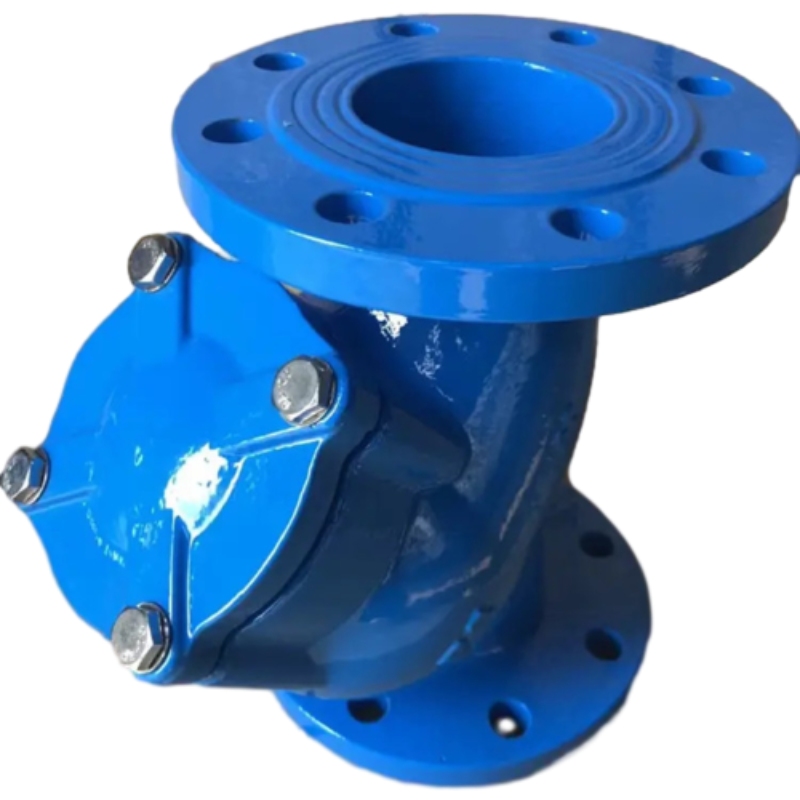
Y Type Suction Strainer Overview and Applications in Fluid Systems
Understanding Y-Type Suction Strainers A Vital Component in Fluid Systems In various industrial appl

v block design
Exploring the V-Block Design A Revolutionary Approach in Architecture In the ever-evolving landscape
 English